A parliamentary committee sitting has backed a proposal to introduce a structured system to oversee theological training institutions, as concerns grow over the rapid increase of Bible schools, ministry programmes, and online religious training platforms operating without uniform standards across the country.
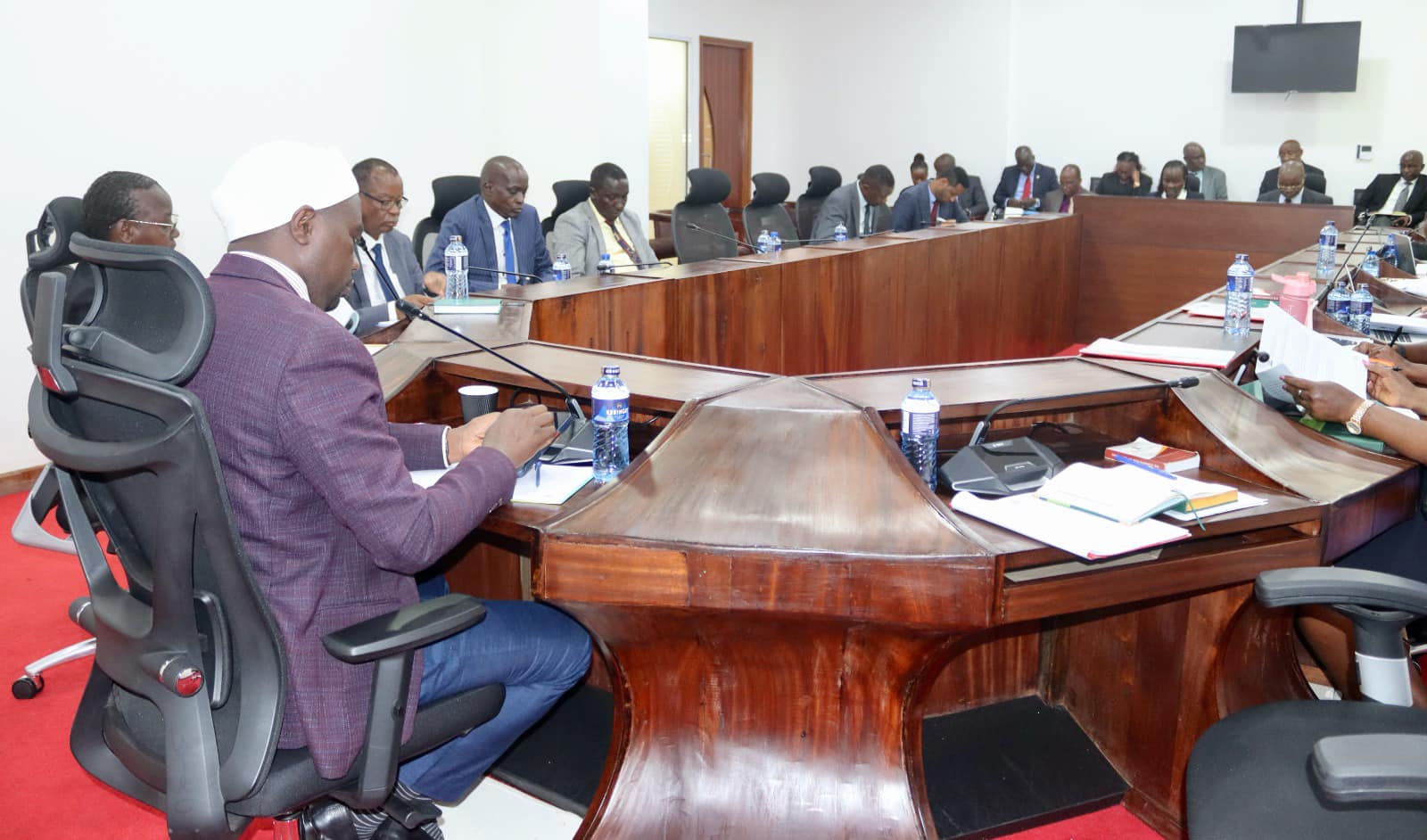
The discussion unfolded during a Tuesday session of the Public Petitions Committee, chaired by Runyenjes MP Muchangi Karemba, where members considered a petition seeking legislation to regulate theological colleges. The petition, presented by Rev Josiah Njiru Wajoshuah, highlighted gaps in oversight and the need for a clear national framework to guide the sector.
Rev Wajoshuah, who chairs the Association of Pentecostal Vocational Training Institutions of Kenya, which brings together more than 200 Bible colleges, told the committee that while the expansion of theological institutions has improved access to training, it has also created challenges linked to quality control, accreditation, and consistency in teaching.
He pointed out that many institutions, especially those linked to Pentecostal, charismatic, and indigenous Christian movements, operate without a shared system of oversight. According to the petition, this has resulted in differences in training standards and concerns over the preparedness of those entering ministry roles.
When the matter was presented before the House, the Speaker of the National Assembly, Moses Wetang’ula, observed that the country has seen a sharp rise in theological colleges, Bible schools, and online ministry training platforms. He noted that a number of these institutions are not tied to established ecclesiastical structures such as episcopal systems, which has contributed to the lack of uniform oversight.
During the session, Technical and Vocational Education and Training Principal Secretary Esther Muoria told the committee that the absence of a dedicated regulatory body for theological education does not mean the sector is entirely unregulated. She explained that institutions are expected to operate within existing national education and training standards.
"It is therefore recommended that the petitioner may collaborate with the various regulatory bodies recognized under the Kenya National Qualifications Framework (General) Regulations, 2025, which are mandated to regulate and enforce legislative provisions in the education and training sector to weed out unlicensed and unaccredited theological colleges, Bible schools, and online ministry training platforms in Kenya," said Muoria.
She added that rather than relying on a fragmented approach, the State Department is open to developing a broader policy direction that would guide the establishment of a professional body covering religious training across different faiths. She explained that such a structure would help define common standards for training and ensure accountability.
Muoria further suggested that within Christianity, a single professional body could be established to harmonize occupational standards across denominations. She said this would help ensure that qualifications and roles within ministry are measured under the same framework regardless of denominational background.
"For Christians, let’s have only one professional body which will be giving us the occupational standards, so that when we have an apostle from the Anglican Church and another apostle from the Apostolic churches, then on the Kenya National Qualifications Framework, those two apostles are on the same level," she said.
Committee members raised concerns over the fragmented nature of religious training institutions and questioned why a unified regulatory framework had not yet been developed. They emphasized that the petitioner’s request was not for separate bodies for each faith, but for a single system that could guide the formation and operation of theological colleges across the country.
"The petitioners do not want something for the Christians, another for the Muslims, another for the Hindus. They want a regulatory body that will guide the establishment of theological institutions. Is that something you can develop?" posed the chairperson.
In response, Muoria assured the committee that the State Department would take steps to develop a policy paper aimed at establishing a professional religious body. She said the proposed framework would provide clear standards for institutions and help bring consistency in training outcomes.
She noted that the committee’s views would be taken into account as the State Department works on the proposal, adding that collaboration with existing regulatory structures would remain part of the approach to addressing unlicensed and unaccredited institutions.
The committee welcomed the direction proposed by the State Department and expressed support for efforts aimed at creating a harmonised system for theological education. Members noted that a clear regulatory framework would help address concerns about quality, oversight, and the growing number of institutions operating without consistent standards.